What Is a Root Canal?
A root canal is a dental procedure designed to treat infections at the center of a tooth (the root canal system). The procedure involves removing the infected or inflamed pulp—the soft tissue inside your tooth that contains nerves and blood vessels—cleaning and disinfecting the space, and then filling and sealing it to prevent future infections.
Why "Root Canal"?
The term "root canal" refers to the natural cavity within the center of the tooth, extending from the crown (the visible part of the tooth) down through the roots. Each tooth typically has one to three root canals, depending on its location and complexity.
Anatomy of a Tooth: Understanding the Basics
To fully grasp the importance of root canal therapy, it's essential to understand the basic anatomy of a tooth:
- Enamel: The hard, outer surface of the tooth that protects it from decay.
- Dentin: The layer beneath the enamel, which is less hard and contains microscopic tubules.
- Pulp: The innermost part of the tooth, composed of soft connective tissue, nerves, and blood vessels.
- Root Canal System: The network of canals within the roots of the tooth that house the pulp.
Signs You Might Need a Root Canal
Recognizing the symptoms that indicate the need for a root canal can help prevent further complications. Common signs include:
- Severe Toothache: Persistent pain, especially when chewing or applying pressure.
- Prolonged Sensitivity: Discomfort from hot or cold foods and beverages that lingers.
- Discoloration: A darkening of the affected tooth.
- Swelling and Tenderness: Swollen gums or tenderness in the surrounding area.
- Abscess Formation: Pus-filled swelling at the tip of the tooth root.
If you experience any of these symptoms, it's crucial to consult with a dental professional promptly to assess the need for root canal therapy.
The Root Canal Procedure: Step-by-Step
Modern root canal procedures are designed to be thorough yet minimally invasive. Here's an overview of what to expect:
1. Diagnosis and Examination
Your dentist or endodontist will begin with a comprehensive examination, including X-rays or 3D imaging, to determine the extent of the infection and the tooth's condition.
2. Anesthesia
Local anesthesia is administered to numb the affected area, ensuring a comfortable and pain-free experience during the procedure.
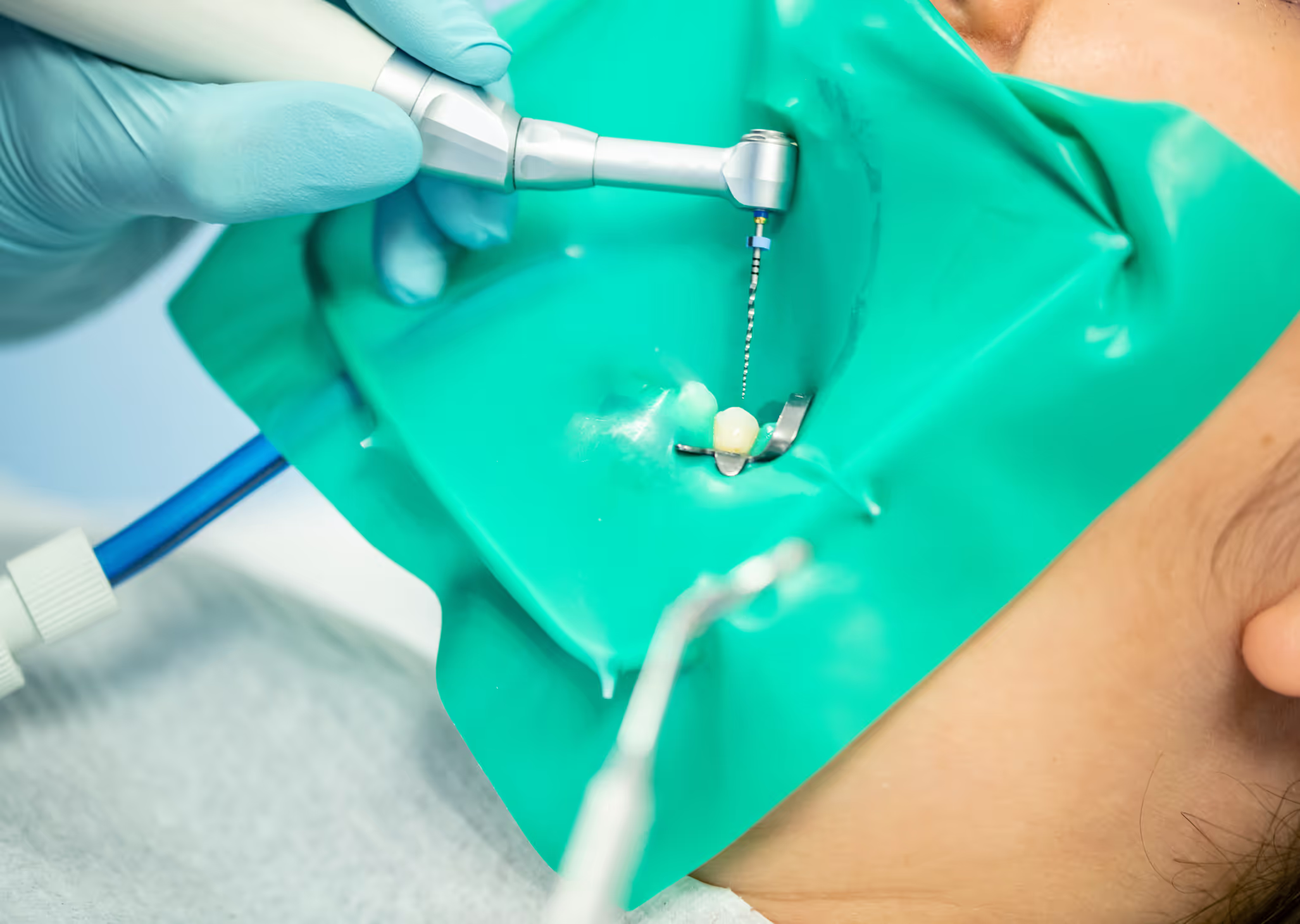
3. Isolation of the Tooth
A rubber dam is placed around the tooth to keep it clean and dry, preventing contamination from saliva and bacteria.
4. Access Opening
A small hole is drilled into the crown of the tooth to access the pulp chamber and root canals.
5. Pulp Removal
Infected or damaged pulp tissue is carefully removed from the canals using specialized instruments.
6. Cleaning and Disinfection
The empty canals are cleaned and disinfected to eliminate any remaining bacteria and debris.
7. Shaping the Canals
The root canals are shaped to prepare them for filling, ensuring a proper seal and restoring the tooth's natural structure.
8. Filling the Canals
The cleaned and shaped canals are filled with a biocompatible material called gutta-percha, which is placed using a sealer to prevent reinfection.
9. Sealing the Tooth
A temporary or permanent filling is placed to seal the access opening, safeguarding the internal space from future contaminants.
10. Restoration
In most cases, a crown or other restoration is recommended to strengthen the tooth and restore its full function.
Benefits of Root Canal Therapy
Opting for root canal treatment offers several advantages over tooth extraction, including:
- Preservation of Natural Tooth: Maintaining your natural tooth helps preserve your smile and bite functionality.
- Preventing Bone Loss: Keeping the tooth in place supports the jawbone and surrounding teeth, preventing bone deterioration.
- Cost-Effectiveness: While the initial cost may be higher than extraction, saving the natural tooth can reduce the need for future dental work, such as implants or bridges.
- Maintaining Oral Health: Preserving the tooth structure aids in overall oral health, ensuring proper alignment and bite mechanics.
Aftercare and Recovery
Following a root canal procedure, proper aftercare is essential for a smooth recovery:
- Managing Discomfort: Mild pain or sensitivity is common and can be managed with over-the-counter pain relievers.
- Oral Hygiene: Continue regular brushing and flossing to maintain oral health.
- Avoiding Certain Foods: Chew primarily on the opposite side until the tooth is fully restored with a crown or filling.
- Monitoring for Complications: Keep an eye out for any unusual pain, swelling, or signs of infection, and contact your dentist if concerns arise.
Most patients resume normal activities within a day or two after the procedure.
Alternatives to Root Canal Therapy
While root canals are often the best option for saving a damaged tooth, there are alternative treatments depending on the specific situation:
- Tooth Extraction: Removing the tooth entirely and considering replacement options like implants or bridges.
- Apexogenesis and Apexification: Procedures aimed at encouraging continued root development in immature teeth or inducing root end closure.
- Pulp Capping: A less invasive procedure where a protective dressing is placed over the pulp to encourage healing and preserve vitality.
Consult with your dental professional to determine the most appropriate treatment for your unique needs.
Frequently Asked Questions About Root Canals
Q: Is a root canal painful?
A: Modern root canal procedures are performed under local anesthesia, making them as comfortable as getting a routine filling. Post-procedure discomfort is typically mild and manageable with over-the-counter pain relievers.
Q: How long does a root canal take?
A: The duration varies based on the tooth's complexity. Generally, a root canal can be completed in one to two visits, lasting between 60 to 90 minutes each.
Q: Can everyone get a root canal?
A: Most individuals with an infected or inflamed pulp are candidates for root canal therapy. However, specific health conditions or the extent of the tooth damage may influence treatment options.
Q: What happens after a root canal?
A: After the procedure, the tooth is typically restored with a filling or crown to protect it and restore full function. Maintaining good oral hygiene and regular dental visits are essential for long-term success.
Q: How long does a root canal last?
A: With proper care and restoration, a root canal-treated tooth can last a lifetime. Regular dental check-ups help ensure its longevity.
Choosing the Right Dental Professional
While general dentists often perform root canals, endodontists specialize in this area, offering advanced expertise and equipment. If you're facing a root canal, consider consulting an endodontic specialist for a second opinion or specialized care.
Preventing the Need for a Root Canal
Maintaining good oral hygiene and regular dental check-ups are pivotal in preventing infections that lead to root canals. Here are some tips to keep your teeth healthy:
- Brush Twice Daily: Use fluoride toothpaste to prevent cavities and plaque buildup.
- Floss Regularly: Remove debris and bacteria from between teeth where brushes can't reach.
- Limit Sugary Foods and Drinks: Excess sugar fuels bacteria that cause tooth decay.
- Wear a Mouthguard: Protect your teeth during sports or if you grind your teeth at night.
- Regular Dental Visits: Schedule bi-annual check-ups for professional cleanings and early detection of issues.
Conclusion: Preserve Your Smile with Root Canal Therapy
Root canal therapy is a cornerstone of modern dentistry, offering a reliable solution to save infected or damaged teeth. By understanding the procedure, its benefits, and the signs that indicate its necessity, you can make informed decisions about your oral health. If you're experiencing symptoms that may require a root canal, don't hesitate to reach out to our experienced dental team. We're committed to providing compassionate, state-of-the-art care to keep your smile healthy and vibrant for years to come.
Ready for Root Canal Treatment?
Schedule online or call us at 619-574-0205.